Marcus Vela
How to choose the right plants for your climate
One of the most common and expensive mistakes in residential landscaping is planting things that are not suited to the local climate and growing conditions. Here is how to get it right the first time.
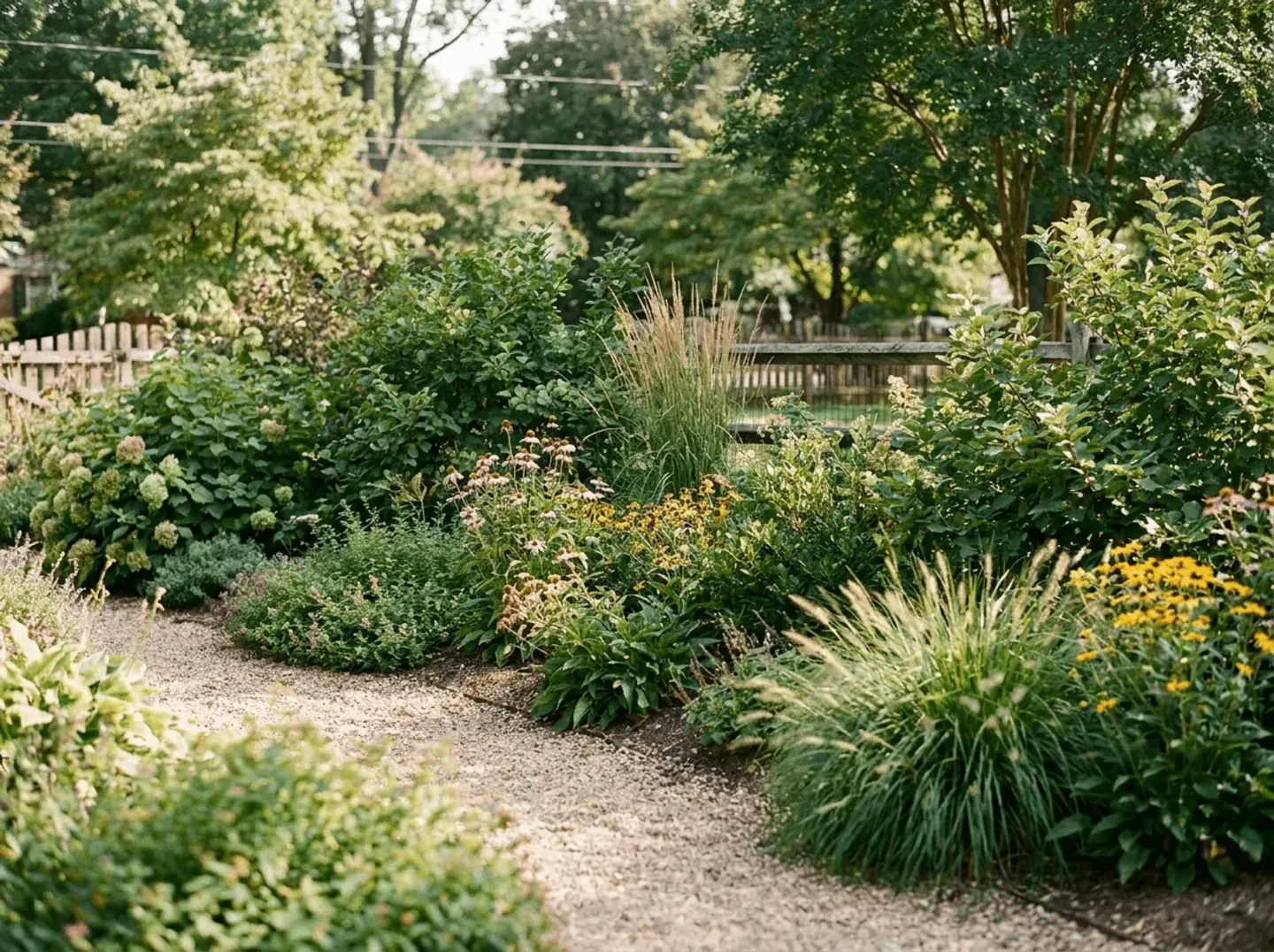
If you have replaced the same plants in the same bed more than once, it is worth asking whether the problem is the plant or the location. In most cases, it is the plant. Choosing species that are not suited to your climate, your soil, or the specific conditions of a planting area is one of the most common and costly mistakes in residential landscaping.
The Philadelphia and South Jersey area sits in USDA hardiness zones 6b and 7a, depending on your specific location. This means plants need to tolerate winters where temperatures can drop into the single digits in a cold year, while also surviving humid summers with heat that can regularly exceed 90 degrees. It is a demanding range, and plants that are marginally hardy in the zone often fail in the first or second winter, or decline over time from the combined stress of heat and cold.
Beyond hardiness, site conditions matter enormously. Full sun in your front yard is a different environment than part shade on the north side of your house. Heavy clay soil that stays wet after rain is a different environment than sandy loam that drains quickly. A plant that thrives in one will struggle or fail in the other, even if it is correctly zoned.
The other factor most homeowners underestimate is mature size. A plant that looks perfect in a three-gallon container at the nursery may reach ten feet wide in ten years. Planting too close to structures, fences, or other plants creates a maintenance burden as things grow and compete for space. It also leads to the kind of aggressive pruning that damages plant structure and looks bad.
The way to avoid all of this is to match the plant to the site rather than trying to make the site work for the plant. Start with the conditions: sun exposure, soil type and drainage, mature space available, and any special factors like road salt exposure, deer pressure, or drainage patterns. Then choose plants that are genuinely suited to those conditions, not plants you like the look of that you hope will adapt.
When in doubt, lean toward native plants or proven adaptable cultivars. Native plants are already adapted to your climate, your soil, and the seasonal rhythms of your region. They tend to be more resilient, require less supplemental watering once established, and provide better ecological value than exotic ornamentals.