Nadia Okafor
Fall lawn care checklist for Philadelphia homeowners
Fall is the most important season for lawn care in the Philadelphia and South Jersey area. Here is everything you should be doing between now and the first hard frost.

If you do only one season of focused lawn care in the Philadelphia area, make it fall. The work you do between late August and November has more impact on how your lawn looks next spring than anything you do during the growing season. Here is a practical checklist of what to focus on.
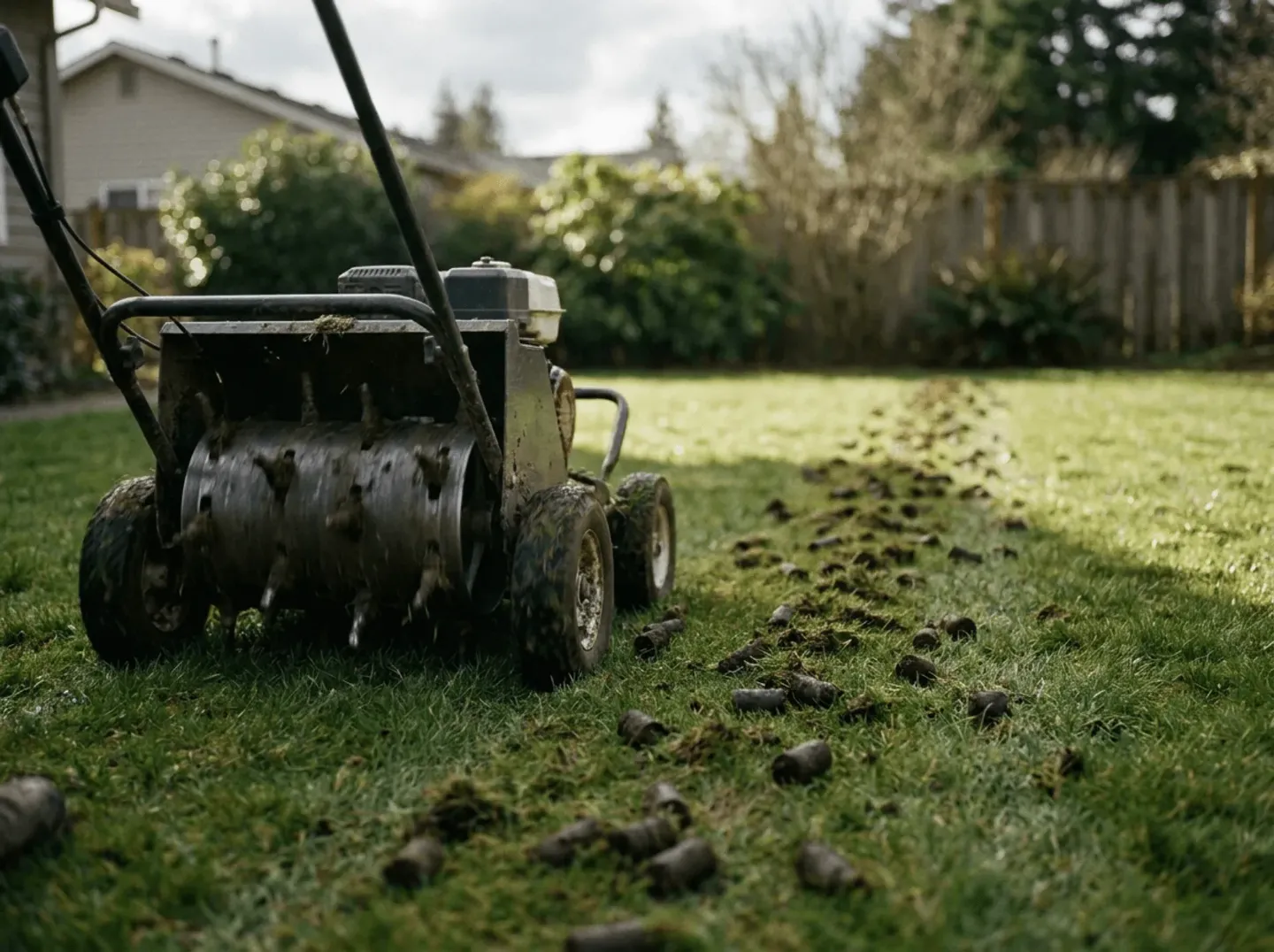
Aeration and overseeding should be at the top of the list. The window for this in the Philadelphia area is roughly mid-September through mid-October. Soil temperatures are in the ideal range for cool-season grass germination, weed pressure is low, and the seedlings have eight to ten weeks to establish before hard frost. If your lawn is thin, patchy, or compacted, this is the single most effective thing you can do.
Fertilization comes next. A late fall fertilizer application, timed for when the grass has stopped actively growing above ground but is still taking up nutrients through the roots, is one of the best investments you can make. Late fall fertilization builds carbohydrate reserves in the root system that fuel the first flush of growth in spring. Look for a fertilizer that is high in potassium for root development and use a slow-release nitrogen source to avoid stimulating top growth late in the season.
Leaf management is a fall priority that most homeowners underestimate. Leaves left on the lawn over winter mat down and smother the grass beneath them. A single layer of leaves can kill turf if it sits long enough. You do not need to remove every leaf immediately, but you do need to keep up with it and make sure the lawn is clear before it goes dormant for winter.
Finally, lower your mowing height gradually as fall progresses. You want to head into winter at a height of about two and a half to three inches for most cool-season grasses. Grass that goes into winter too tall is more susceptible to snow mold and matting. Grass that is cut too short has less leaf area to photosynthesize and less insulation for the crowns during cold weather.