Marcus Vela
Why your retaining wall is leaning
A leaning retaining wall is not just an eyesore. It is a structural problem that gets worse the longer you wait. Here is what causes retaining walls to fail and how to address it before it becomes a major project.
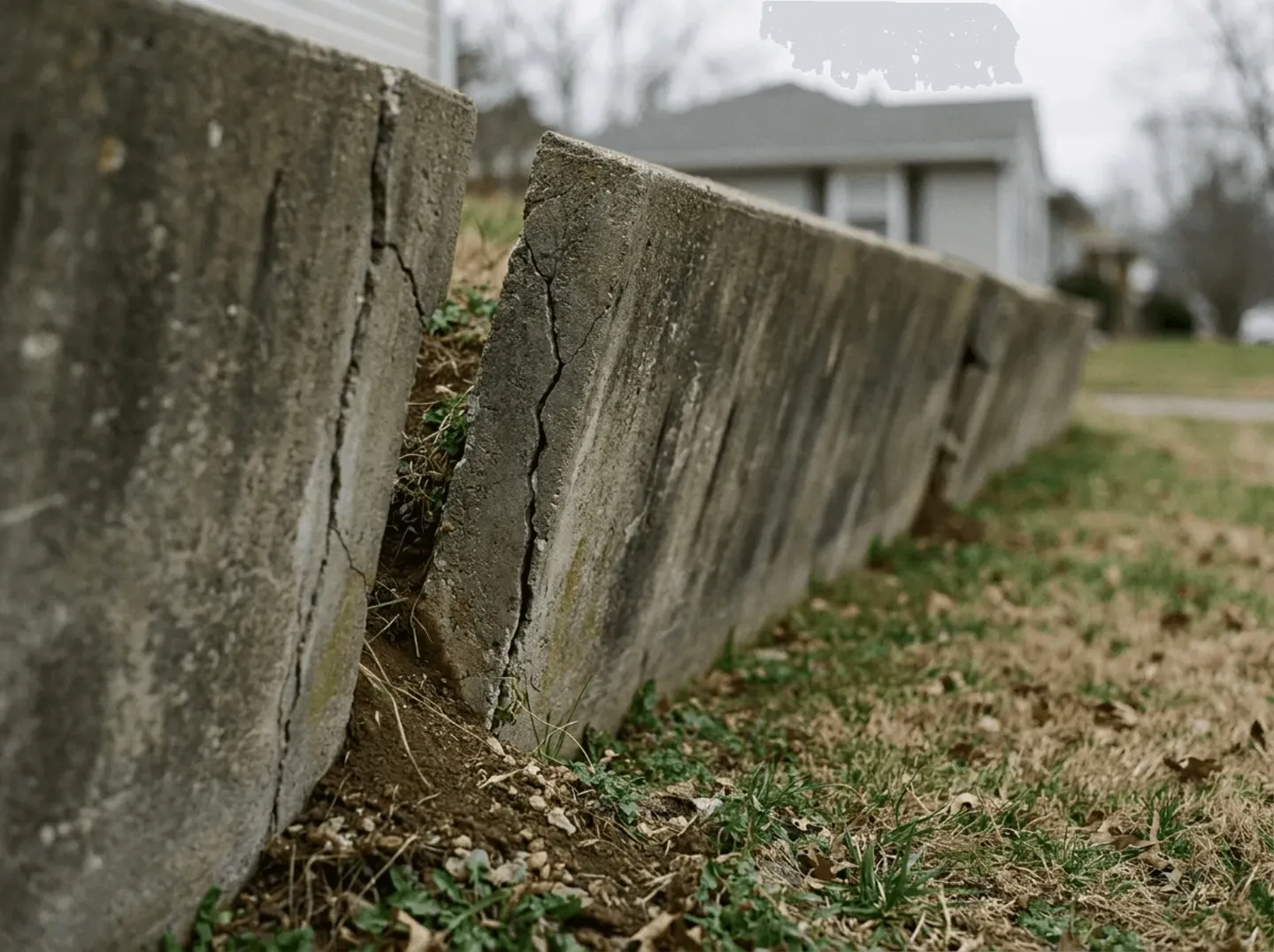
A retaining wall that is starting to lean is one of those problems that homeowners tend to put off because it does not seem urgent. It is still standing. Nothing has collapsed. But a leaning retaining wall is a wall that is in the process of failing, and the longer you wait, the more expensive and disruptive the fix becomes.
Retaining walls fail for a few common reasons, and most of them trace back to the original installation. The most common cause is inadequate drainage behind the wall. When water saturates the soil behind a retaining wall, it dramatically increases the lateral pressure on the wall. A wall that was designed to hold back dry soil can fail under the pressure of saturated soil because the weight and pressure of wet soil is significantly higher.
Proper retaining wall construction includes a drainage aggregate layer behind the wall, a perforated drain pipe at the base to carry water away, and weep holes or gaps in the wall face to allow water to escape. When these drainage elements are missing or inadequate, water builds up behind the wall over years of rain and eventually pushes it forward.
The second most common cause of retaining wall failure is an inadequate base. Walls need a compacted gravel base below the frost line to prevent frost heave from destabilizing the first course. Walls built on a shallow or uncompacted base move every winter with freeze-thaw cycles and gradually lose their alignment.
The third cause is improper batter. Most retaining walls are designed to lean slightly back into the slope they are retaining. This setback, called batter, uses the weight of the soil to help hold the wall in place rather than fighting it. Walls built without adequate batter are working against the soil instead of with it.
What should you do if your wall is leaning? The first step is an assessment. A slight lean that has been stable for years may be acceptable depending on the wall height and what is behind it. A wall that is actively moving, cracking, or has bulging sections needs to be addressed. In most cases, a wall that has reached the point of visible failure needs to be taken down and rebuilt correctly rather than pushed back and reinforced. Pushing a failed wall back without addressing the underlying drainage and base issues just restarts the failure cycle.