Nadia Okafor
Why mulch needs to be replaced every year
Most homeowners think mulch is just about looks. It is not. Here is what mulch actually does for your landscape and why replacing it on the right schedule matters more than most people realize.
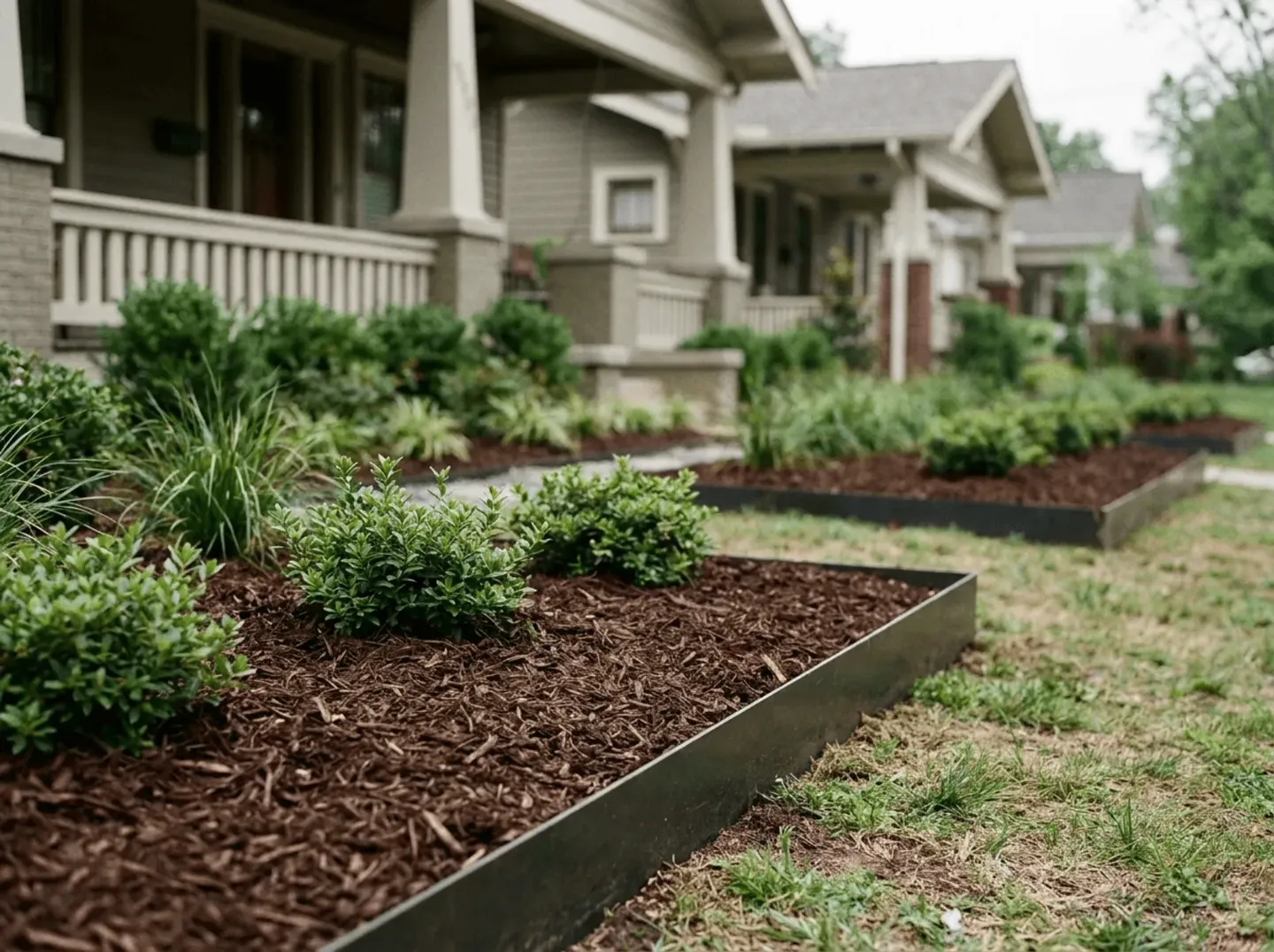
Mulch is one of those landscape inputs that looks simple on the surface but does a lot more work than most people give it credit for. Fresh mulch every spring is not just about making the beds look good, although it does that too. It is about maintaining the functional benefits that mulch provides throughout the growing season.
Here is what a proper layer of mulch actually does. At two to three inches deep, it retains soil moisture by reducing evaporation from the soil surface. On a hot summer day, a mulched bed can lose significantly less moisture than a bare bed, which means less supplemental watering and less stress on your plants. That moisture retention is one of the biggest reasons well-mulched landscapes perform better in dry summers than poorly mulched ones.
Mulch also regulates soil temperature. It keeps roots cooler in summer and insulates them from early hard freezes in fall. For newly planted perennials, shrubs, and trees, this temperature buffering is particularly important during the establishment period when roots are shallow and vulnerable.
The weed suppression benefit is real but limited. A two to three inch layer of mulch will suppress a significant portion of weed germination, but it is not a perfect barrier. Weed seeds that land on top of the mulch will still germinate. The value is in reducing the volume of weeding, not eliminating it.
As mulch breaks down over the season, it adds organic matter to the soil. This is a long-term benefit that improves soil structure, drainage, and microbial activity over time. It is one of the reasons that beds that have been mulched consistently for years tend to have better soil than beds that have not.
So why replace it every year? Because by the end of the growing season, last year is mulch has broken down and compacted to the point where the functional layer is too thin to provide the benefits listed above. You are essentially left with a thin layer of partially decomposed material that does not retain moisture, does not regulate temperature effectively, and does not suppress weeds. Adding a fresh layer restores all of those benefits for the coming season.
The one thing to avoid is adding mulch on top of multiple previous years of compacted material. When that builds up, it creates a water-shedding layer that actually prevents rainfall from reaching the soil. If your beds have not been refreshed in several years, it is worth removing the old material before adding new mulch.